







Search Results for: causes of clogged coffee powder
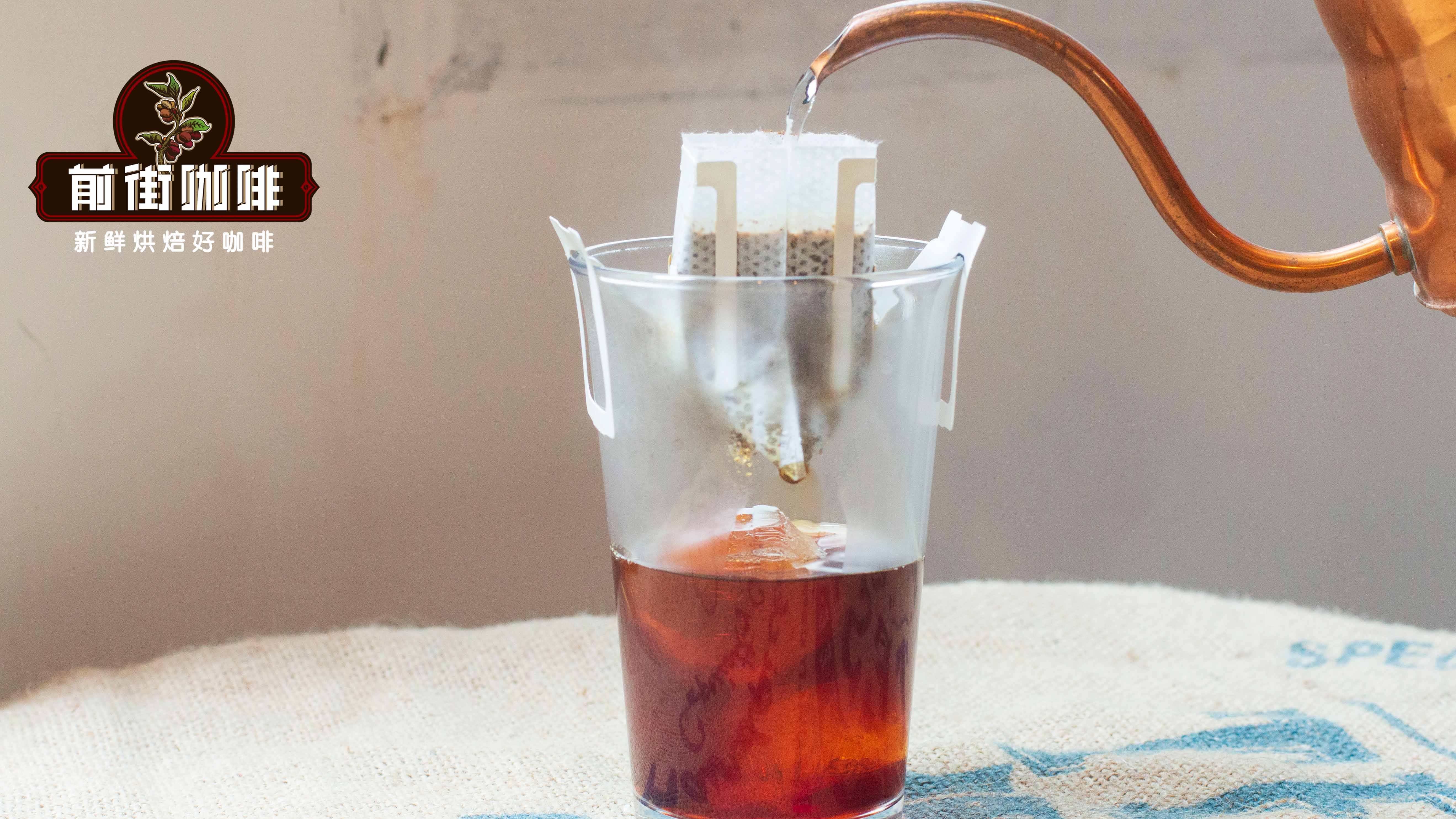
Analysis of the Causes of Slow Draining or Clogging in Drip Bag Coffee and a Detailed Guide to Smooth Brewing Techniques
Drip bags have become a daily choice for many coffee lovers thanks to their convenience, but encountering slow drainage or even complete clogging during brewing is frustrating. Even when you follow the steps, the hot water lingers in the filter bag for a long time, and the coffee grounds soak at the bottom, which both affects the taste and causes waste. This article will systematically analyze the causes of drip bag clogging from four dimensions—filter material, pouring technique, grind size, and shaking habits—and, combined with Front Street Coffee's hands-on testing experience, provide targeted solutions and brewing suggestions to help you consistently brew a clean and delicious cup at home. [more…]
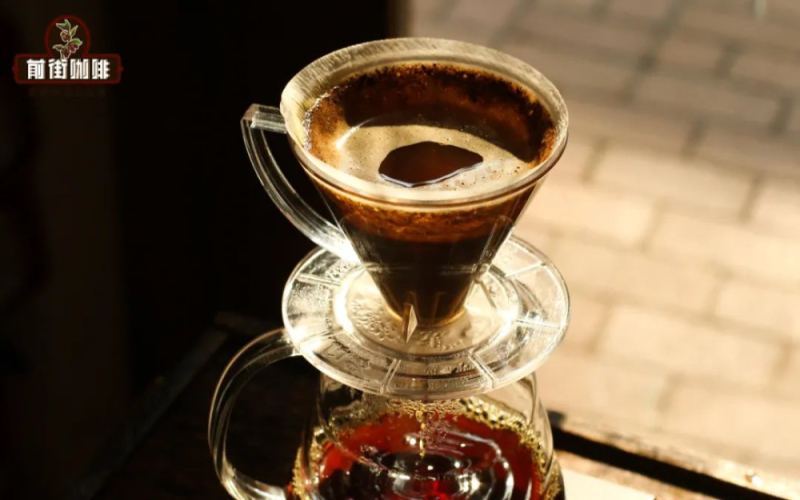
Fine Migration Clogging and Three-Stage Extraction: Analyzing the Common Causes of Clogging in Pour-Over Coffee and the Logic of Flow Cutoff
During pour-over brewing, water pooling in the dripper, a sudden drop in flow rate, or even a complete stall are tricky situations many enthusiasts have encountered. Once this kind of clogging happens frequently, it not only disrupts the brewing rhythm but also makes the final flavor direction hard to predict. What exactly causes water to be unable to pass smoothly through the coffee bed? Drawing on years of brewing and troubleshooting experience, Front Street Coffee has summarized three key influencing factors, among which fine particles blocking the filter paper pores is especially common. At the same time, why the three-pour method is widely used and what the flow-cutoff action is intended to achieve are also worth clarifying. This article will break down the principles behind these steps one by one to help you locate problems faster and make targeted adjustments the next time you brew. [more…]
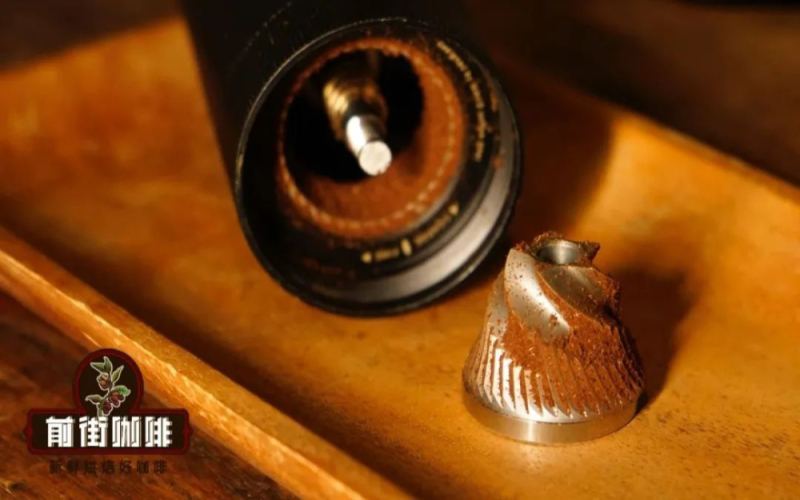
Complete Guide to Cleaning and Maintaining Manual and Electric Coffee Grinders: Brush Cleaning and Deep Maintenance Essentials
Coffee grinding equipment is mainly divided into two categories: manual and electric. Different brands and price points not only affect appearance and grinding performance, but also determine differences in burr structure and particle size distribution. Regardless of which grinder you use, daily cleaning and regular maintenance of the burrs are key to extending the life of the equipment. The static electricity generated during grinding causes fine particles to stick to the metal burrs and the grounds bin. The more frequently it is used, the more residual grounds accumulate, and the oil released by dark-roasted beans worsens the buildup of oily residue. If not cleaned for a long time, old grounds not only produce a rancid oil smell, but also taint new grounds and clog the grinding path. This article will introduce grinder maintenance methods and precautions in detail across three levels: daily quick cleaning, cleaning without disassembly, and regular deep cleaning. [more…]
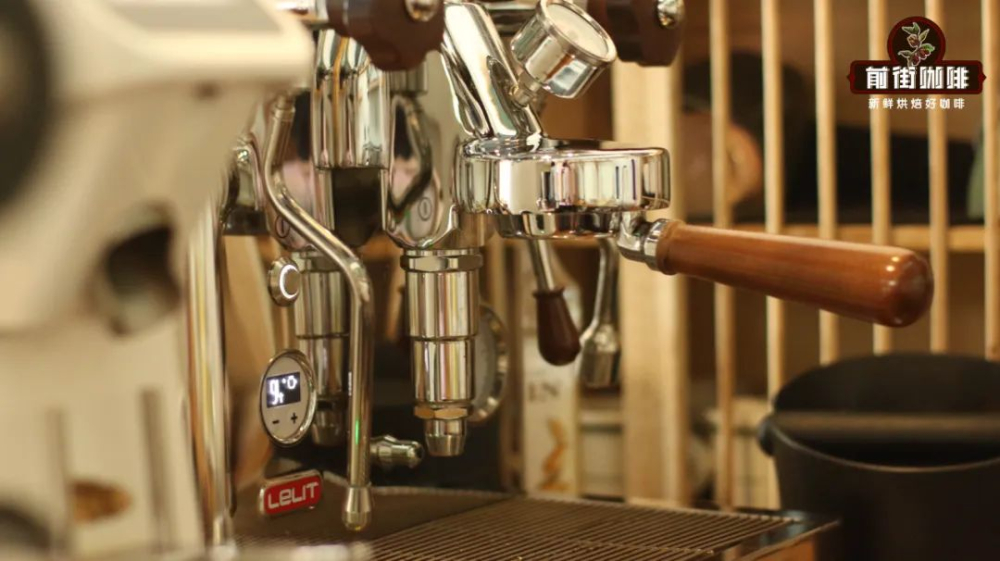
Coffee Machine Maintenance | How Should Coffee Beginners Clean and Maintain a Home Semi-Automatic Espresso Machine? How to Replace the Gasket on an Espresso Machine?
For professional coffee knowledge exchange and more coffee bean information, please follow Coffee Studio (WeChat official account: cafe_style). For more specialty coffee beans, please add our private WeChat: Front Street Coffee (FrontStreet Coffee), WeChat ID: qjcoffeex. With the rise of specialty coffee culture [more…]
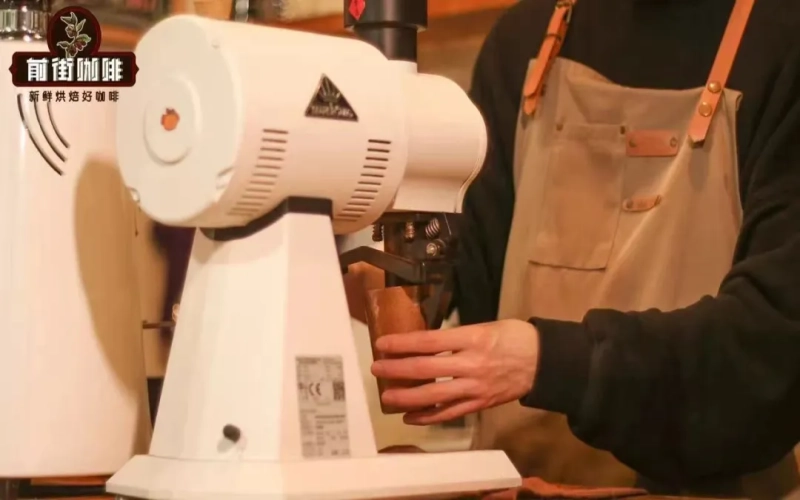
Four Key Details in Using an Electric Grinder: Why It Idles Without Grinding Beans and the Right Way to Clean the Burrs
The coffee grinder is an indispensable piece of equipment in coffee preparation, yet many users are not well enough informed about its daily maintenance and operational details. At Front Street, we frequently encounter customers asking about various grinder issues at our stores, especially the common malfunction of "running idle without grinding beans" and the easily confused concept of "cleaning the grinder." This article systematically outlines four key points worth noting when using an electric grinder: two completely different "grinder cleaning" operations, the correct sequence of starting the machine before adding beans, the necessity of regularly checking the grind size, and the solution to idle running caused by fine powder clogging. Whether you are an espresso enthusiast or a pour-over player, these practical tips can help you extend the lifespan of your grinder while ensuring the stable and clean flavor of every cup of coffee. [more…]
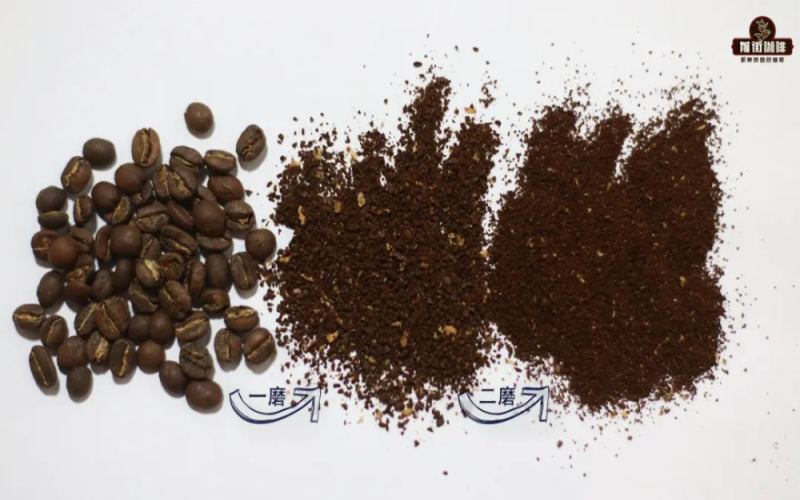
Is secondary grinding of coffee grounds really feasible? An analysis of the principles, risks, and practical approaches of WBC competitors
Some coffee enthusiasts might think: since a grinder can grind coffee beans into fine powder, grinding already-ground coarse powder finer again should not be a problem, right? This idea seems reasonable, but in practice it can cost the grinder dearly. This article focuses on regrinding, first explaining why putting coffee grounds back into the grinder can lead to clogging, breakdowns, and other risks, and mentioning a real case in which a Front Street Coffee shop's grinder was ruined as a result; then introducing how 2017 WBC Japanese competitor Tetsu Suzuki and 2019 WBrC Chinese competitor Du Jianing used techniques such as liquid nitrogen cooling and coarse grinding followed by fine grinding to pursue a more concentrated particle size distribution and higher uniformity, and finally reminding everyone to make a decision based on their own grinder conditions and budget. [more…]
Daily Maintenance, Deep Cleaning, and Burr Calibration Guide for Manual Coffee Grinders
When brewing pour-over coffee at home, have you ever tasted the flavor of one bean in a cup of another? This is very likely the work of fine powder residue left inside the grinder. If a grinder is not cleaned for a long time, electrostatic fine powder and dark roast bean oils attached to the metal burrs will accumulate more and more, which not only affects the extraction flavor, but may also clog the passage and shorten the life of the equipment. This article, compiled by Front Street Coffee, systematically explains the maintenance and calibration methods for manual and electric coffee grinders, from simple daily cleaning, no-disassembly cleaning with cleaning tablets, to disassembly deep cleaning and burr wear inspection, helping you determine when a simple cleanup is enough and when deep maintenance is needed, so that every cup of coffee maintains a clean and accurate flavor performance. [more…]

Can a Coffee Grinder Be Washed with Water? A Detailed Guide to Daily Maintenance for Manual and Electric Grinders
Last week, Front Street Coffee shared nine details about brewing coffee, among which it mentioned that the grinder needs to be cleaned regularly. So a reader followed up with the question: Can a grinder actually be washed with water? To answer this question, we first need to understand the necessity of cleaning the grinder. The common grinding equipment on the market falls into two categories: manual and electric. Regardless of which type, the daily upkeep and regular maintenance of the burrs directly affect the service life. Accumulated coffee grounds not only cause flavor cross-contamination, but may also clog the passage. This article will detail the cleaning methods for manual and electric coffee grinders across three levels: daily quick cleaning, cleaning without disassembly, and regular deep cleaning, and will also remind you of the applicable conditions and precautions for washing with water. [more…]
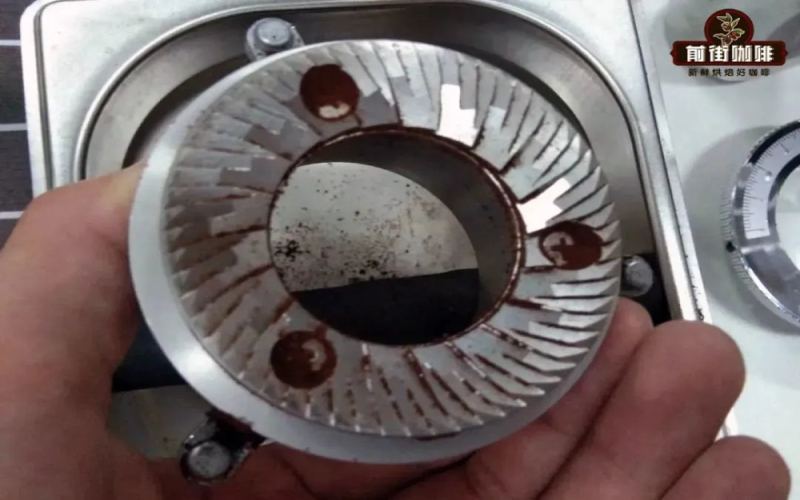
Grinder Maintenance Frequency and Cleaning Guide: How to Clean the Burrs of Manual and Electric Coffee Grinders
If you love brewing pour-over coffee at home, have you ever noticed that your brewed coffee tastes like it's mixed with other beans? This is very likely the work of fine powder residue left inside your grinder. Over time, static electricity causes fine powder to cling to the burrs, and the oils from dark-roasted beans build up as well. Before long, this not only affects flavor but can also clog the chute and shorten the machine's lifespan. So how exactly should you maintain your grinder? How often should you clean it? What's the difference between cleaning a hand grinder and an electric grinder? Can the burrs be washed with water? Front Street Coffee has put together a complete process, from simple daily cleaning to deep disassembly, to help you resolve all your grinder maintenance questions. [more…]
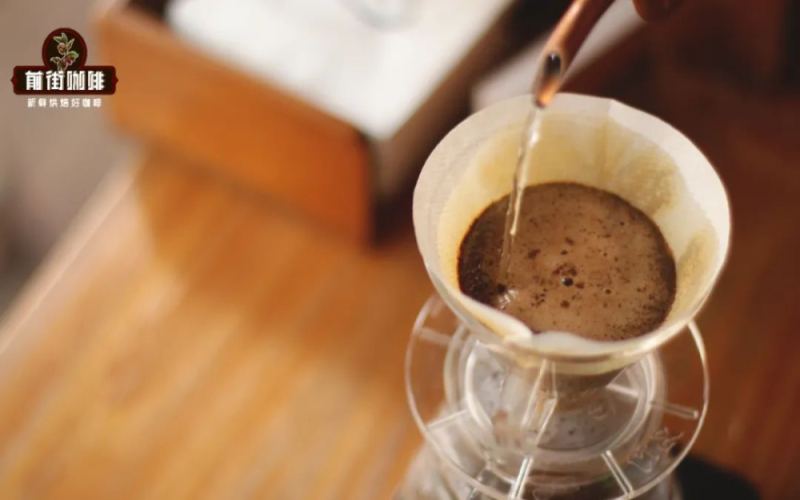
Can gently tapping the dripper really change the extraction result? The hidden link between fine migration and channeling
In pour-over coffee, many enthusiasts habitually tap the dripper before pouring water, trying to make the surface of the coffee bed more level. However, this seemingly harmless little action may cause fines to gradually settle to the bottom under vibration, creating a coffee bed density that is loose at the top and compact at the bottom. When hot water passes through this uneven structure, it will bypass the denser areas of greater resistance and flow toward the edge of the dripper, triggering channeling and a failed bloom, ultimately leading to uneven extraction, clogging in the final stage, and even over-extracted woody flavors. Through comparative experiments, Front Street Coffee found that the two groups of coffee—one without tapping and one with ten taps—showed clear differences in drip time and flavor performance. This article will break down the physical mechanism of fines settling and share a coffee-dosing technique that achieves a level coffee bed without repeated tapping, helping you consistently reproduce the ideal flavor in your daily brewing. [more…]
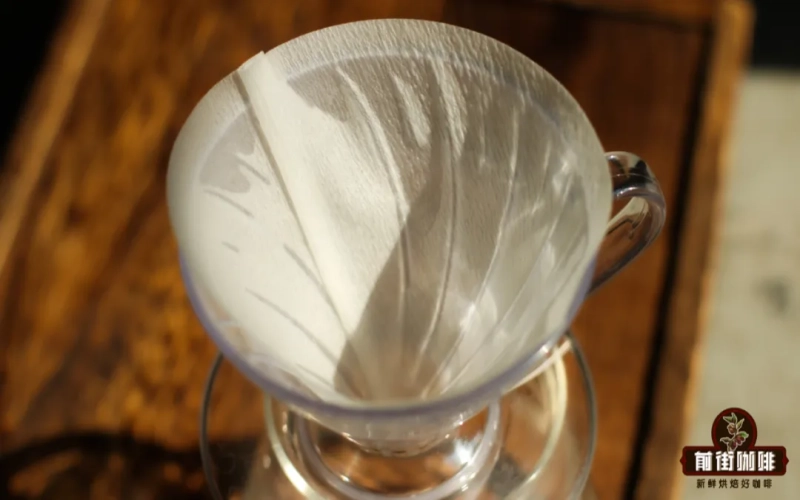
Why does tapping the coffee grounds in a pour-over dripper cause clogging? A complete analysis of fines migration and over-extraction risk
Many coffee enthusiasts have experienced this impulse while brewing: the moment they see an uneven coffee bed, they want to tap the dripper to level out the grounds. Yet this seemingly reasonable action can trigger a chain of negative reactions—fines sinking, the filter paper clogging, extraction time stretching out, and ultimately a bitter, over-extracted cup. Through comparative experiments, Front Street Coffee found that a tapped coffee bed took 21 seconds longer to complete extraction than an untapped one, with a noticeably bitter taste. The key principle behind this is the Brazil nut effect: vibration causes large particles to rise and fines to sink, clogging the pores of the filter paper. This article will analyze the causes of this phenomenon in detail and offer the correct methods for distributing the grounds and remedying the situation. [more…]

How to Fix Slow Drawdown in Pour-Over Coffee? A Full Analysis of the Three Major Factors: Fines, Agitation, and Bean Density
When brewing pour-over coffee, water failing to drain through the dripper is a problem many enthusiasts encounter. The causes of clogging are not singular—too many fines, overly vigorous agitation, and high bean density can all slow the flow. This article starts from these three common factors, analyzing each cause one by one and offering corresponding ways to improve them—including coarser grinding with a slower extraction, using a sifter, and adjusting pouring technique. At the same time, it will explain that clogging does not necessarily mean over-extraction, and whether to make adjustments should ultimately be based on how the coffee tastes on the palate. Front Street Coffee will share its brewing experience with high-density beans, using the Yirgacheffe Giddingding from its own bean list. [more…]
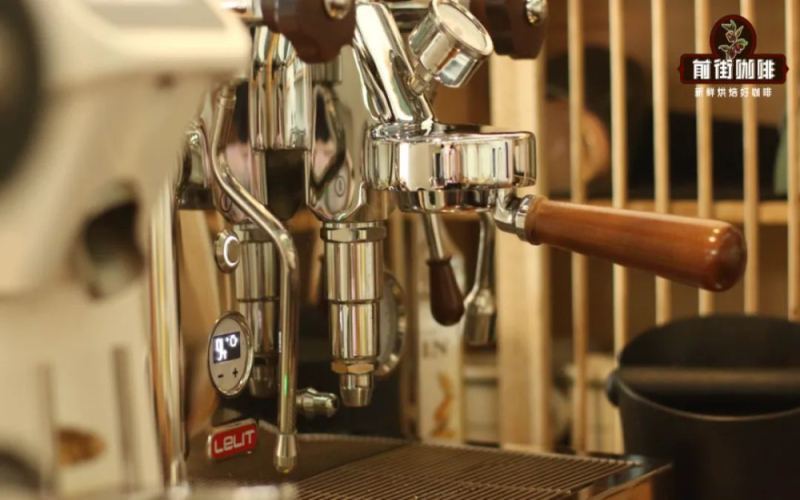
Home Espresso Machine Maintenance Guide: Daily Cleaning, Deep Descaling, and Group Head Gasket Replacement Tips
Many coffee enthusiasts have added espresso machines to their homes, but due to a lack of knowledge about cleaning and maintenance, problems such as weakened steam, uneven water flow, and even portafilter leaks begin to appear after the machine has been used for a while. This article systematically organizes maintenance methods for home espresso machines: from the routine cleaning of the steam wand and shower screen after each brew, to using a blind basket to backflush and remove internal residue before shutting down, and then to regularly using specialized cleaning powder for deep treatment of the steam wand, shower screen, and portafilter basket. The article also explains in detail the steps for replacing the brew head gasket after it ages, and reminds readers that water needs to be filtered to prevent scale from damaging the boiler. The article involves practical experience with the machine models used in Front Street Coffee stores, and is suitable for coffee enthusiasts to follow and implement. [more…]
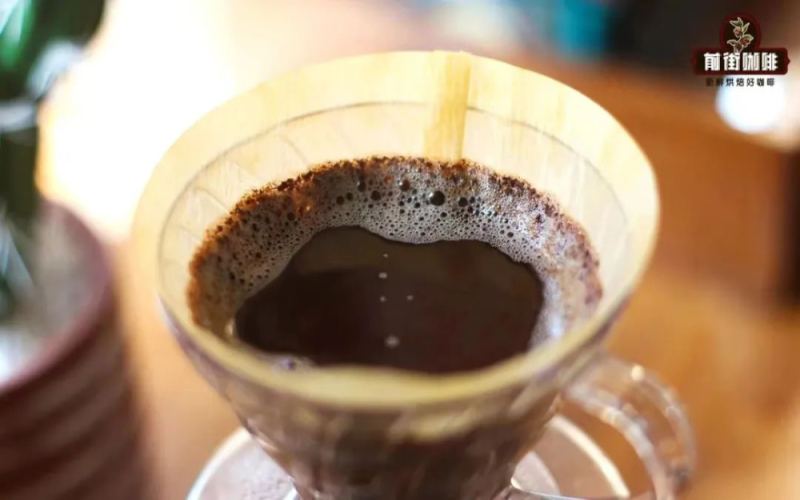
Should Fine Particles in Pour-Over Coffee Be Sifted Out? A Comprehensive Analysis of Their Causes, Roles, and When to Deal With Them
In the practice of pour-over coffee, fines are often seen as the culprit behind clogging and bitterness, and many people have thus developed the habit of always sifting out fines before brewing. But do fines really only have negative effects? From the perspective of Front Street, this article systematically sorts out the definition of fines, their generation mechanisms, and their actual contribution to flavor, explaining why in most cases it is unnecessary to completely sift out fines, and under what conditions sifting should really be considered. At the same time, the article also explores the relationship between coffee bean brittleness, grinder quality, and the amount of fines, helping readers build a more complete understanding of extraction. [more…]
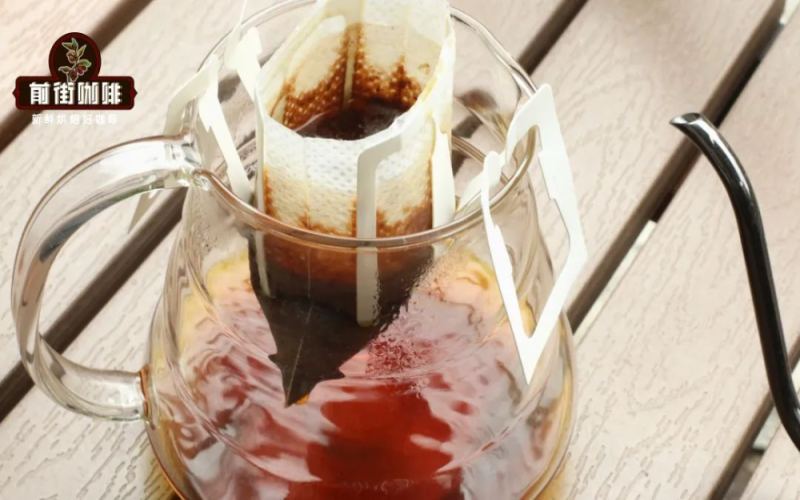
Drip Bag Coffee Brewing Tips | What to Do If a Drip Bag Clogs and Won't Drain? How to Brew a Drip Bag Coffee Pack Without Wasting It?
After reading the title, I bet some of you are already nodding and going, "Yes, yes, that's exactly what happens to me!" So scroll down quickly to clear up your confusion. You clearly followed the steps in the tutorial: tear open—hang it up—boil water—pour water—wait for it to drip through... Yet it feels like ages have passed, so why is the water still sitting on top, cof- [more…]
How to Grind Coffee Beans Without a Grinder? Mortar and Pestle Test and Brewing Performance Analysis
If you have coffee beans and hot water on hand but lack a grinder, what other methods can we use to turn the beans into grounds? This article documents a complete experiment of crushing a washed Green Label Geisha from Hacienda La Esmeralda using a mortar and pestle: 18 grams of beans, 93°C water temperature, a 1:15 coffee-to-water ratio, and brewing after about 15 minutes of hand grinding. The article describes in detail the grind size, pouring technique, and final flavor performance, and analyzes the problems of fine-powder clogging and uneven extraction caused by hand crushing, offering a genuine reference for coffee enthusiasts who lack professional equipment. [more…]
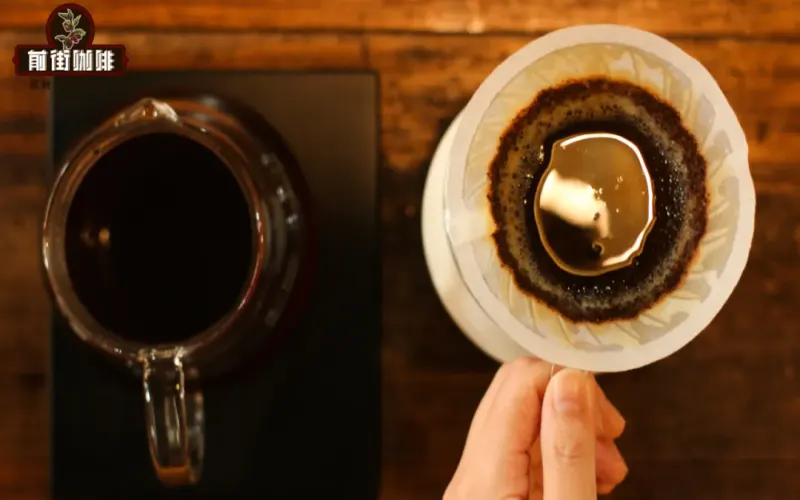
A Complete Guide to Bypass Brewing in Pour-Over Coffee: The Difference Between Coffee-to-Water Ratio and Coffee-to-Beverage Ratio, and When to Use Bypass Correctly
In the practice of pour-over coffee, "cutting off" the brew is a technique that is often mentioned. Many enthusiasts believe that the tail-end coffee liquid carries bitterness, and so habitually remove this portion at the end of brewing. However, cutting off the brew is not a universal key—improper use can instead destroy the coffee's complete flavor. From the perspective of Front Street, this article takes a deep dive into the dissolution patterns of bitter substances, explains why the tail end does not produce negative flavors under reasonable parameters, and distinguishes in detail between the two concepts of coffee-to-water ratio and coffee-to-liquid ratio, while also sorting out the two scenarios in which cutting off the brew truly applies—actively incorporating the cutoff into the brewing framework, and being forced to cut off due to clogging. By understanding these principles, coffee enthusiasts can use the cutoff more scientifically and improve their brewing quality. [more…]
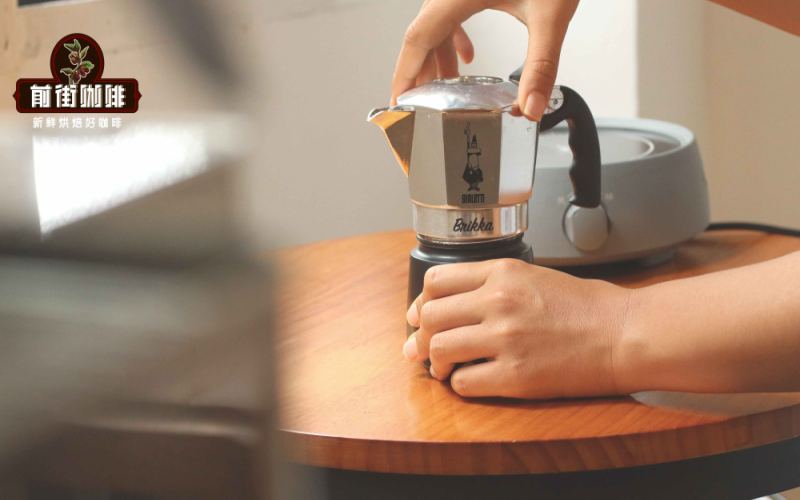
How Long Does It Take to Brew Coffee with a Moka Pot? When Is the Right Time to Turn Off the Heat? A Complete Guide to the Key Steps
The moka pot, with its simple structure and pressure-enhanced extraction method, can produce rich, crema-topped coffee under ordinary home conditions. But how long to brew and when to turn off the heat often confuse beginners. This article starts with the working principle of the moka pot, explains the difference between single-valve and double-valve models, recommends suitable medium-dark roasted beans and specific products, and step by step breaks down the details of adding water to the lower chamber, grind size, filling the filter basket, heating, and judging when to turn off the heat, while also reminding you of precautions such as the safety valve, clogging, and cleaning, to help you consistently extract an ideal cup in three to four minutes. [more…]
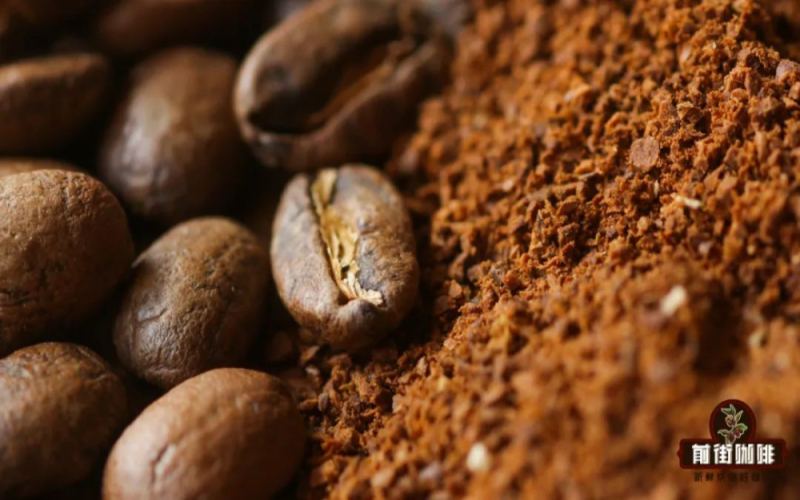
How to store and use pre-ground coffee powder? A full analysis of flavor shelf life after grinding and brewing precautions.
Many people know that pre-ground coffee powder is not as aromatic as freshly ground coffee, yet they still choose to have it ground for them, and there are actually quite a few practical considerations behind this. Pre-ground powder saves the trouble of buying a coffee grinder, is portable and labor-saving, and the professional grinders at coffee shops usually provide a more uniform grind. However, once coffee beans become powder, their peak flavor period is greatly shortened, and the way they are stored and used changes accordingly. From Front Street's perspective, this article sorts out the major advantages of pre-ground powder and explains in detail the key points to note when using pre-ground powder, such as stirring and sealing, to help you enjoy a more satisfying cup within the limited flavor window. [more…]
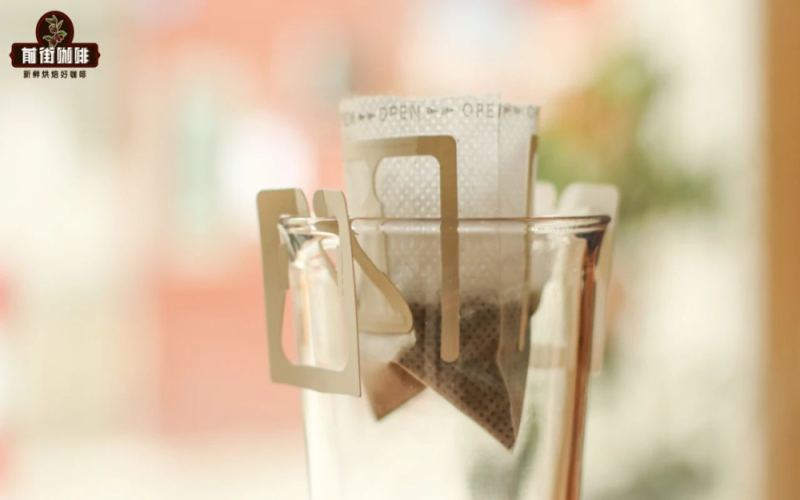
Drip Coffee Bag Brewing Tips: How to Brew Low-Acid, Rich, Non-Bitter Freshly Ground Black Coffee and Front Street Product Recommendations
Drip coffee bags offer a convenient option for enthusiasts who seek specialty flavor but prefer not to brew manually. Some question whether they are professional enough, but as long as the beans are of high quality, the packaging blocks oxygen, and the coffee is consumed within its prime drinking period, the gap between drip bags and freshly ground pour-over is actually quite small. Front Street drip bags insist on fresh roasting and fresh grinding, and the grinder is thoroughly cleaned before each production run to avoid flavor crossover. The grind size has been repeatedly tested and set to medium-fine, reducing the over-extraction and muddiness caused by fine powder clogging. This article will also share the standard drip bag brewing steps, explaining everything from coffee-to-water ratio, water temperature, to pouring technique, and recommend four Front Street drip bags—Yirgacheffe, Sun-Dried Huakui, PWN Golden Mandheling, and Brazil Queen Estate—according to four flavor directions: floral and fruity, tropical fruit, low-acid and full-bodied, and balanced nuance, helping readers choose according to their preferences. [more…]